

A Humphrey Visual Field test is an eye exam used to measure your full field of vision, including peripheral (side) vision. By identifying areas where vision may be reduced or missing, this test helps your optometrist detect changes early, monitor eye conditions over time, and support treatment decisions.
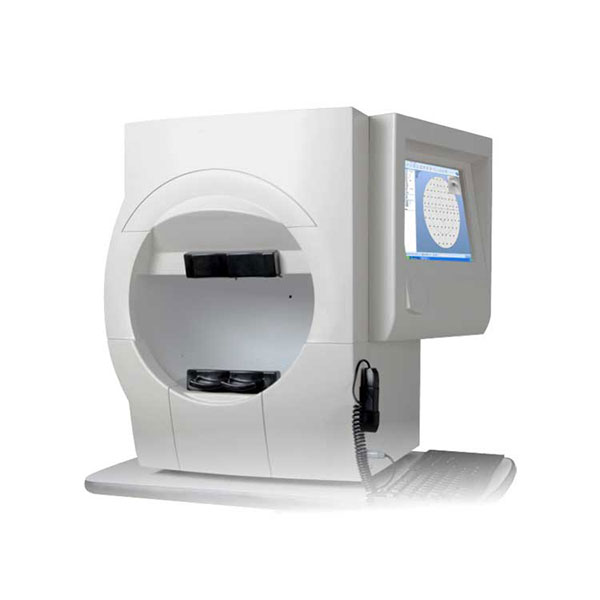
What Is a Humphrey Visual Field Test?
A Humphrey Visual Field test is an advanced diagnostic exam that evaluates how well you can see across your entire field of vision, not just what is directly in front of you. While central vision is often easy to notice, changes in peripheral vision can happen gradually and may go unnoticed without specialized testing.
Why Is Visual Field Testing Important?
Visual field testing plays a key role in identifying and monitoring vision loss that may not be obvious during everyday activities. Many eye conditions affect peripheral vision first, making this test an important tool for early detection.
When visual field tests are done regularly, your optometrist can track changes over time rather than relying on a single result. This ongoing monitoring is especially important for managing long-term eye conditions.
What Eye Conditions Can a Humphrey Visual Field Test Help Detect or Monitor?
A Humphrey Visual Field test is commonly recommended when your optometrist needs to assess functional vision changes related to eye health or the optic nerve. It may be used for patients with:
- Glaucoma or suspected glaucoma
- Optic nerve conditions
- Unexplained vision changes
- Peripheral or side vision loss
- Neurological conditions that may affect vision
What Happens During a Humphrey Visual Field Test?
The Humphrey Visual Field test is non-invasive and does not involve any contact with the eye. During the test, you will sit comfortably in front of the device and focus on a central target.
Small lights will appear in different areas of your visual field, and you will press a button each time you see one. Each eye is tested separately, and the process typically takes several minutes per eye. While the test requires concentration, it is not painful and does not require any recovery time.
How Visual Field Testing Supports Long-Term Eye Care
Visual field testing allows your optometrist to compare results over time to identify subtle changes that may not be noticeable day to day. This information helps guide treatment decisions, determine whether a condition is stable, and adjust care plans when needed.
Visit Dr. Sam Dhaliwal & Associates
Need a visual field test? Visit the clinic location nearest to you. If you have questions about Humphrey Visual Field testing or have been advised that this exam may be beneficial, our team is happy to discuss it with you during your appointment.
Humphrey Visual Field Test FAQs
What is a Humphrey Visual Field test used for?
A Humphrey Visual Field test is used to measure how well you see across your entire field of vision, including peripheral vision. It helps optometrists detect areas of vision loss, monitor eye conditions, and track changes over time.
Why would my optometrist recommend a visual field test?
Your optometrist may recommend visual field testing if you are being monitored for glaucoma, have optic nerve concerns, or are experiencing vision changes that cannot be fully explained.
Is a Humphrey Visual Field test necessary if my vision seems fine?
Many eye conditions affect peripheral vision first, which can be difficult to notice in everyday life. Visual field testing can detect early changes before noticeable symptoms develop.
Is a Humphrey Visual Field test uncomfortable?
No. The test does not touch your eyes and is not painful. Some patients find it requires focus and attention, but it is generally well-tolerated.
How long does a Humphrey Visual Field test take?
The test usually takes several minutes per eye. Including setup and instructions, it typically adds a short amount of time to your appointment.
How often do visual field tests need to be done?
The frequency depends on the reason for testing. Patients being monitored for conditions such as glaucoma may have visual field tests done regularly to track changes over time.